
What Is Paint Correction and Why It Matters
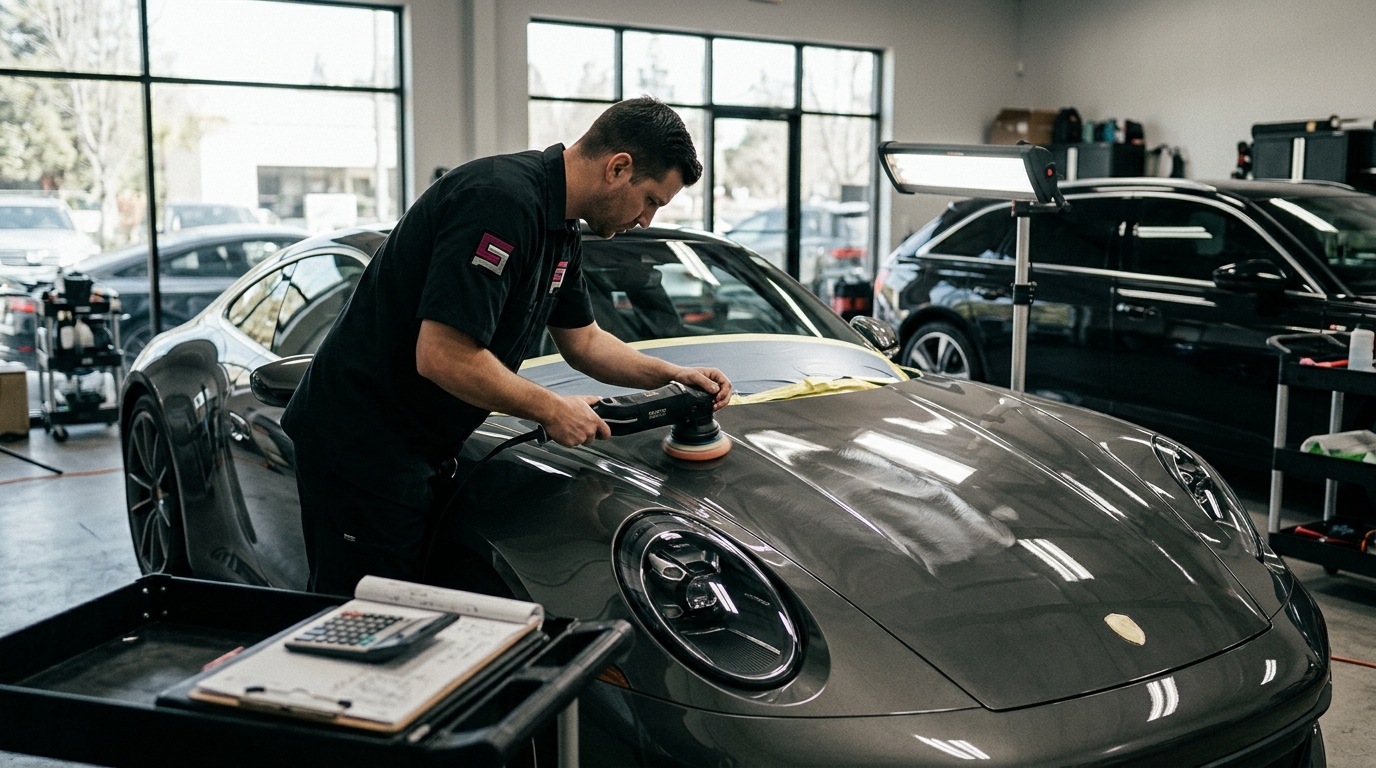
Paint correction is the process of mechanically removing a microscopic layer of clear coat to eliminate imperfections. It is not a cleaning service; it is a restorative procedure that alters the physical surface of your vehicle. If you apply ceramic coating over existing swirl marks or scratches, the coating will lock those defects in place permanently. This is why professionals insist on correction before any long-term protection is applied.
The primary goal is to create a perfectly smooth, reflective surface. A corrected surface allows light to reflect uniformly, creating that deep, wet-look gloss. Without this step, the final result will look dull and uneven, regardless of the quality of the coating product used. Understanding this distinction helps you budget appropriately for the full service.
Key Factors That Influence Correction Costs
Several variables determine the final price of a paint correction job. The most significant factor is the condition of the paint. A vehicle with light swirl marks from improper washing may only need a single-stage correction. However, a car with deep scratches, oxidation, or heavy holograms may require a multi-stage process. Each additional stage increases labor time and material costs.
Vehicle size and paint color also play a role. Dark colors like black or deep blue show imperfections more clearly, often requiring more meticulous work to achieve a flawless finish. Larger vehicles like SUVs and trucks have more surface area, which naturally increases the time required for polishing. At Ceramic Pro San Rafael, we assess these factors during the initial consultation to provide an accurate estimate.
Single-Stage vs. Multi-Stage Correction
How to Budget for the Full Process
When planning your budget, remember that paint correction is only one part of the total investment. You must also account for the cost of the ceramic coating itself. A typical budget for a full package, including correction and coating, should be planned as a combined line item. This ensures you do not run out of funds after the correction is complete but before the coating is applied.
We recommend setting aside a contingency of 10% to 15% for unexpected issues. Sometimes, during the initial decontamination process, hidden defects become visible that were not apparent during the first inspection. Having a buffer in your budget prevents delays and ensures the project can be completed in one visit. This proactive approach saves time and often results in a better final finish.
Why Professional Correction Is Essential
Professional services also include a thorough decontamination process. This involves using a clay bar or iron remover to extract embedded contaminants from the paint. These contaminants can cause defects that polishing alone cannot fix. By handling every step of the process, a professional studio ensures that the surface is perfectly prepared for the coating. This level of care is what distinguishes a premium service from a basic wash.
Key Takeaways
- Single-stage correction is suitable for light swirls and costs less than multi-stage.
- Dark paint colors often require more time and attention to achieve a flawless finish.
- Skipping correction before coating will permanently lock in existing defects.
- Professional correction includes decontamination to remove embedded contaminants.
- Budget for correction and coating as a combined investment to avoid delays.
- DIY correction carries a high risk of damaging the clear coat permanently.
Frequently Asked Questions
How long does paint correction take?
Single-stage correction usually takes one to two days. Multi-stage correction can take three to five days, depending on the vehicle size and the severity of the defects. The time required is directly related to the amount of material that needs to be removed from the clear coat.
Can I wash my car after correction but before coating?
You should avoid washing your car between correction and coating. If you must wash it, use a touchless method and avoid any contact with the paint. Any new swirl marks created during washing will need to be corrected again before the coating is applied.
Does paint correction remove deep scratches?
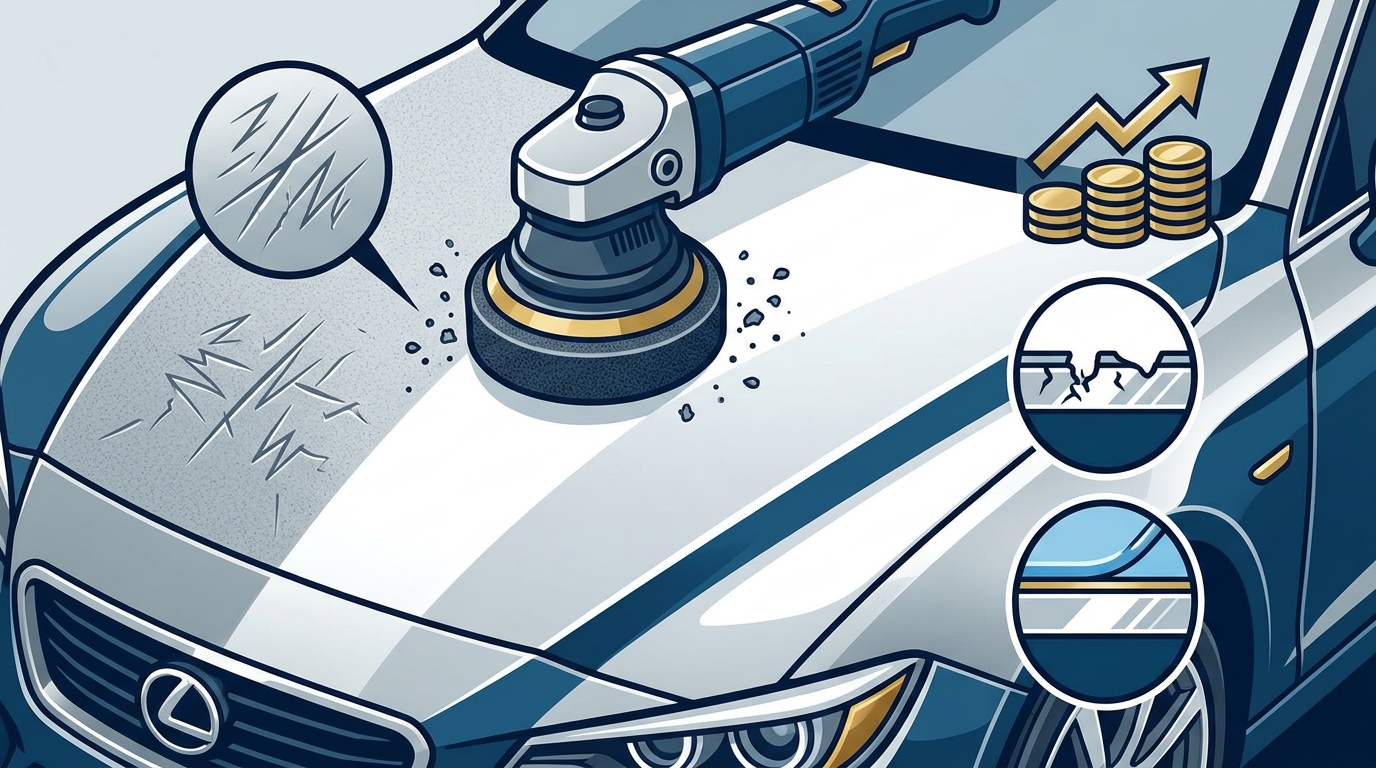
Paint correction can remove scratches that are only in the clear coat. If a scratch goes through the clear coat into the color coat, it cannot be removed by polishing. These deeper scratches require wet sanding and repainting, which is a separate and more expensive process.
How often should I get paint correction?
Most vehicles only need paint correction once or twice in their lifetime. After a proper correction and ceramic coating, the paint is protected from new swirl marks. You may need a light maintenance polish every few years, but a full correction is rarely necessary again.
Is paint correction worth the cost?
Yes, if you are planning to apply a ceramic coating. The coating will last for years, so the surface underneath must be perfect. The cost of correction is a small fraction of the total value of the vehicle and the long-term protection provided by the coating.
Start Your Project with Confidence
Understanding the cost of paint correction helps you make an informed decision about your vehicle's protection. By budgeting for the full process, you ensure that your ceramic coating performs at its best for years to come. The investment in proper correction is the foundation of a long-lasting, high-gloss finish. If you are ready to protect your vehicle, to schedule a consultation and get a detailed estimate for your specific car.